The Quiet Art of Kyoto:
Machiya Restorations and Tea Solitude
By Editorial Bureau • October 14, 2025 • 8 min read
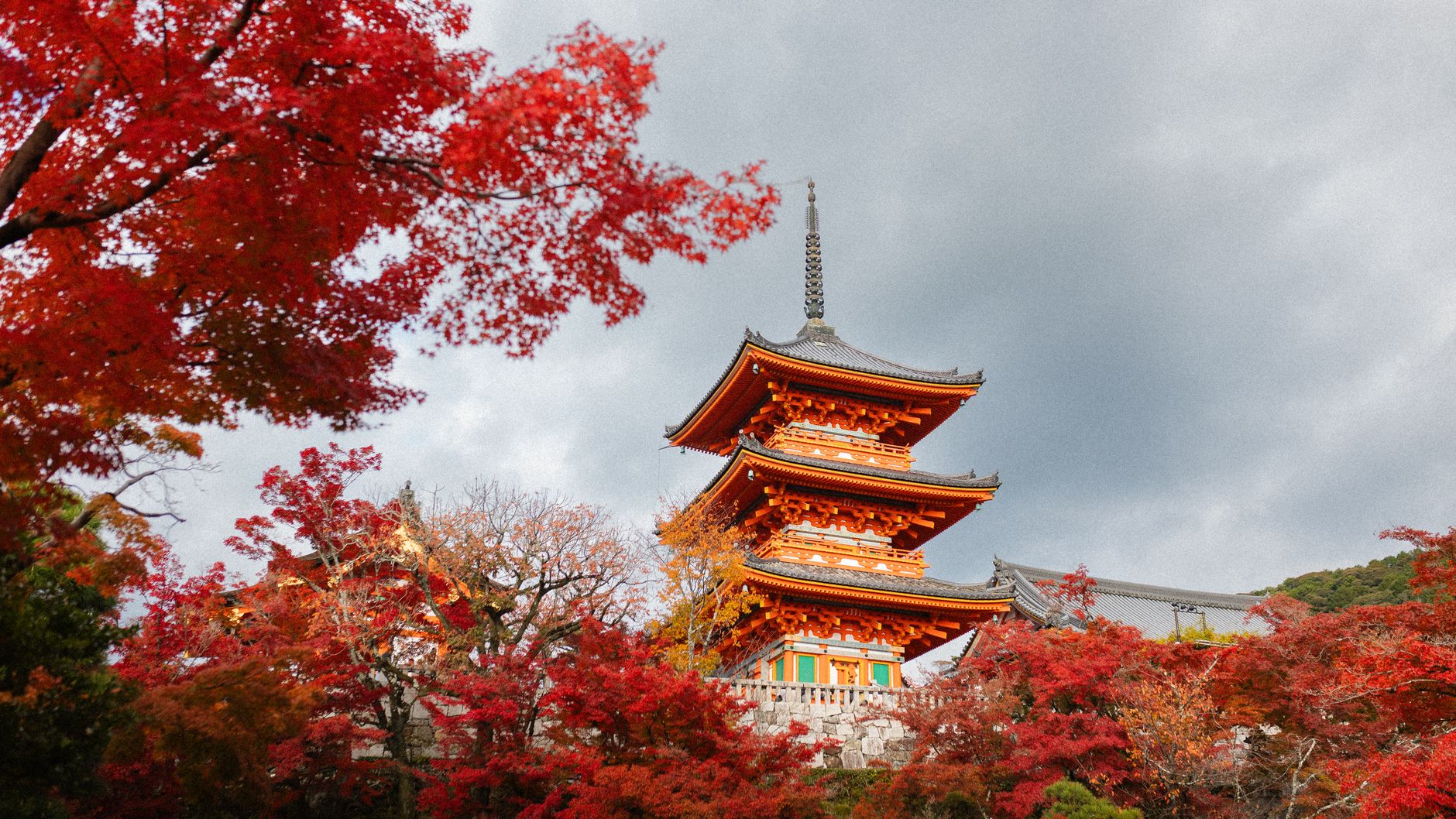
In the quiet alleyways of Nishijin, where weavers still thread raw silk through ancient wooden looms, a quiet architectural movement is preserving the fleeting spirit of imperial Kyoto. Here, historic machiya—traditional timber townhouses dating back to the Edo and Meiji eras—are being granted a serene second life.
The Philosophy of Wooden Shadows
Entering a restored machiya demands an intentional deceleration of pace. Long, narrow corridors—traditionally referred to as toriniwa—channel the morning breeze through earthen plaster walls, charred cedar latticework, and modest inner courtyard gardens (tsuboniwa). The light is not thrown carelessly into the rooms; rather, it filters through paper shoji screens, illuminating the subtle texture of tatami mats with golden patience.
"To sit in a courtyard where only rain taps against stone basins is to understand that stillness is not an absence of sound, but the presence of clarity."
Tea Ceremonies in Unadorned Spaces
Our correspondent spent three mornings with master tea practitioner Hidetoshi Mori in a 140-year-old sanctuary near the Kamo River. Unlike commercial tea experiences, this ritual embraced absolute minimalism: a single spray of wild mountain camellia in an unglazed ceramic vase, water drawn from an artesian well, and tea prepared with deliberate, unhurried cadence.
For the traveler, this offers a sharp departure from frenetic itineraries. Kyoto rewards the wanderer who chooses a single neighborhood, rises before the city wakes, and allows the resonance of wood, stone, and incense to reconfigure their perception of time.
Plan Your Journey To Kyoto
Our private travel architects curate discreet access to private machiya residences and Zen master encounters.
Inquire With An Advisor